Scott Coker Advocates for New Knee Strike Rule in Ki MMA
MMA promoter Scott Coker aims to introduce changes to Ki MMA rules, allowing knees to grounded opponents.
Scott Coker, known for his leadership in major MMA promotions, is taking steps to integrate international rules into his new venture, Ki MMA. He has approached the California State Athletic Commission (CSAC) with a proposal that aims to further evolve the sport.
Proposed Rules for Ki MMA
On Tuesday, Coker confirmed that Ki MMA has requested the CSAC to consider a rule change during its December 1 stakeholders meeting. This proposal focuses on permitting knee strikes to the head of grounded opponents, a technique currently banned under the Unified Rules of MMA.
Coker explained, “I’ve always believed MMA should keep evolving.” He clarified that Ki MMA’s request specifically excludes other controversial techniques like soccer kicks and stomps, adhering to the guidelines outlined in Rule 533.
Enhancing Fighter Strategy
Former fighter Josh Thomson has weighed in on Coker's initiative, noting that the primary goal is to enrich offensive strategies during ground exchanges. Allowing knees to grounded opponents would provide fighters with a new tactical option that could change the dynamic of fights.
“We need to keep the sport fresh,” wrote Thomson on social media, emphasizing that Coker is responding to the community's desires for an evolution in the rules.
Ki MMA's Vision
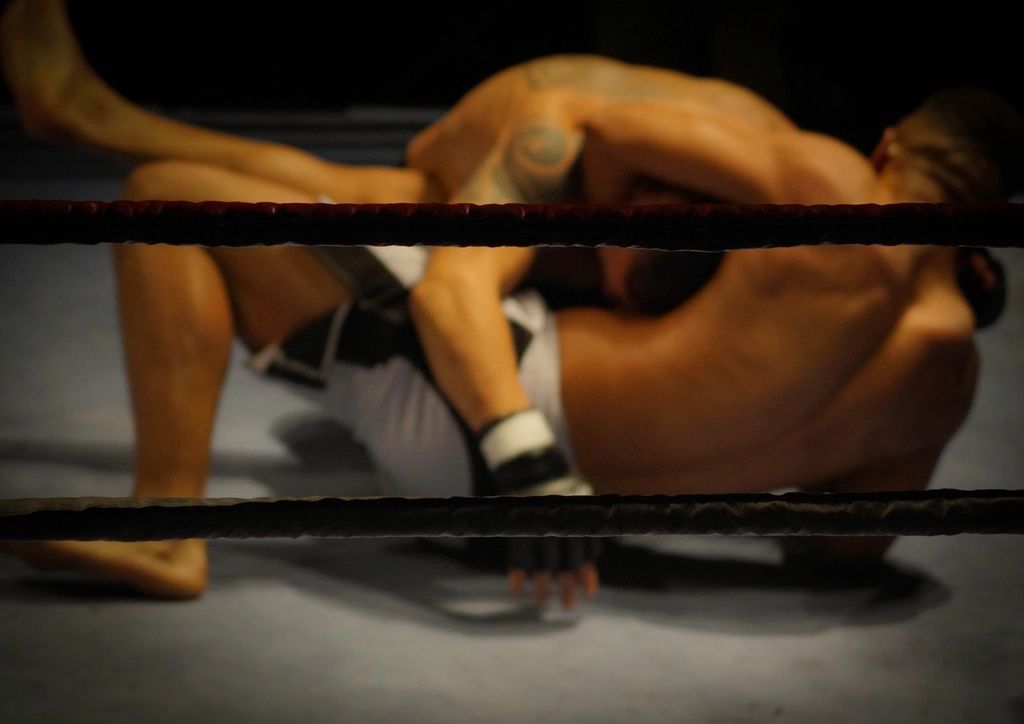
Ki MMA, launched in September through a partnership with Rich Chou, aims to distinguish itself in the competitive MMA sphere. Unlike many prominent organizations that utilize cages for their events, Ki MMA has chosen to conduct fights in a ring.
By proposing the rule change, Coker hopes to set Ki MMA apart from established organizations like the UFC and PFL, which adhere to the Unified Rules. Approval of this change could resonate with fans and fighters alike, particularly those who admire rule sets similar to those used by Japanese promotions like RIZIN.
The upcoming CSAC meeting will be pivotal in determining the future direction of Ki MMA. If the commission approves the proposed change, it could not only enhance fighter engagement but also create a unique niche for Ki MMA in North America.