Why Chelsea Were Knocked Out by PSG
Wednesday 18 March 2026 08:08, UK Please use Chrome browser for a more accessible video player Gary Cotterill rounds up all the big talking points from a disappointing night at Stamford Bridge that saw Chelsea well beaten by the holders PSG.

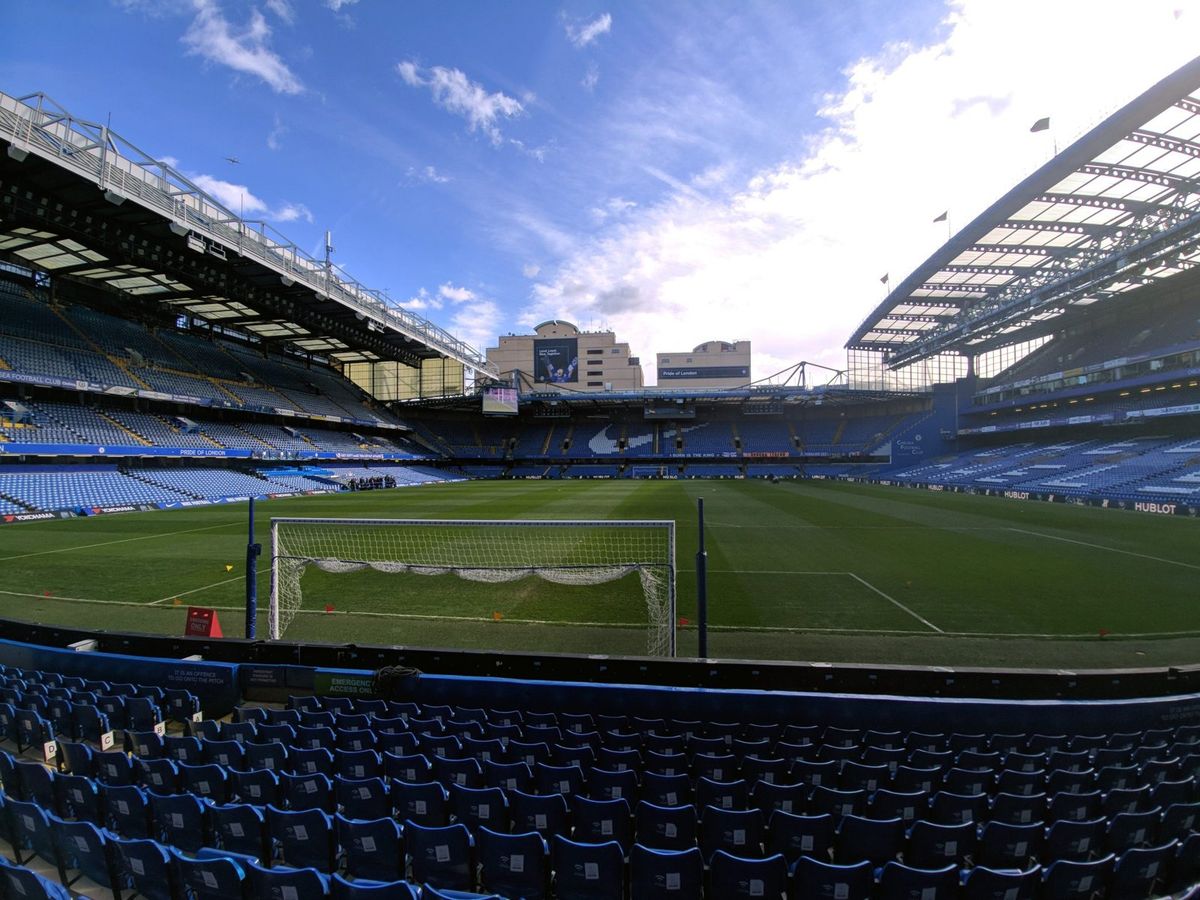
Chelsea were beaten decisively by holders PSG at Stamford Bridge — a result that exposed recurring problems which PSG exploited. Below are the main factors behind the London side’s elimination.
1. Tactical mismatch and planning
PSG set a clear blueprint: fast vertical transitions, overloads on the flanks and long possession spells to manipulate space. Chelsea never found a reliable counter-plan. When they pressed, gaps opened between midfield and defence; when they sat off, PSG comfortably controlled possession and created chances. There was no effective mid-game tactical adjustment once PSG took charge.
2. Midfield control and creative shortage
PSG’s midfield dictated tempo and consistently found the pockets between Chelsea’s lines. Chelsea struggled to keep the ball under pressure and failed to link defence to attack. That loss of control reduced quality chances and left the team reliant on hopeful long balls or individual efforts — predictable and easy for PSG to defend.
3. Defensive lapses and individual errors
Soft turnovers, poor positioning and missed markers handed PSG openings. Key runners were not closed down quickly enough and hesitant defensive decisions were repeatedly punished. Against an elite attack, those moments were costly and changed the game’s balance.
4. Lack of attacking incision
Chelsea created too few clear opportunities. Off-the-ball movement was often predictable, combinations in the final third lacked imagination, and link-up play was stifled by PSG’s press and structured backline. Without a sustained attacking threat, Chelsea could not force PSG onto the back foot or chase an equaliser effectively.
5. Experience and mentality
PSG displayed the calm of a side used to high-pressure European nights. Chelsea looked nervy at times — hurried passes, lapses in concentration after conceding and a tendency to react rather than control. In knockout football the margins are fine and PSG’s composure made the difference.
6. Substitutions and game management
Changes from the bench either arrived too late or failed to change the match’s shape. Whether through limited options or cautious choices, substitutions did not restore midfield balance or add genuine attacking impetus. Overall game management — controlling tempo, protecting the defence and unsettling PSG’s rhythm — was insufficient.
7. Squad balance and availability
Gaps in midfield protection, unsettled defensive pairings or forwards without confidence leave a team vulnerable against top opponents. Even without detailing absentees, it was clear Chelsea lacked the blend of form and specialist personnel to shift the tie.
Conclusion
The defeat combined a clear tactical mismatch, midfield surrender, defensive mistakes and blunt finishing, amplified by PSG’s quality and experience. Once PSG established control, Chelsea lacked the structure and cutting edge to respond. The result should prompt a reassessment of tactical approach, selection and in-game management for high-stakes European matches.
Sports World Zone Staff
Writing on European Football